
Importing Lithium-Ion Batteries from China to India: 2025 Regulations

How to Import Industrial Packaging Machinery from China to India (Step-by-Step Guide)
How to Import Industrial Packaging Machinery from China to India (Step-by-Step Guide)
Indian manufacturers across food processing, pharmaceuticals, FMCG, and e-commerce fulfilment are increasingly sourcing industrial packaging machinery from China. Whether you need carton sealing machines, vacuum packaging units, or automatic filling systems, understanding the import workflow can save you lakhs in unexpected costs and customs delays.
If you are simultaneously exploring importing lithium ion batteries from China India, you will find that both product categories share nearly identical regulatory foundations. The same IEC codes, BIS compliance pathways, and customs duty structures apply whether you are bringing in automated filling systems or energy storage solutions. This guide walks you through the complete import journey for machinery—from supplier verification to factory installation—with real cost figures and timelines you can use for your 2026 procurement planning.
Prerequisites Before You Place the Order
Before contacting Chinese suppliers, ensure you have these regulatory foundations in place:
Import Export Code (IEC): Apply through the DGFT portal. Processing time: 3-5 working days. Cost: ₹500.
Registration cum Membership Certificate (RCMC): Obtain from relevant Export Promotion Councils (EPCs) such as EEPC India for engineering goods. Required for claiming export incentives under the Foreign Trade Policy 2023.
GST Registration: Active GSTIN mandatory for customs clearance and input tax credit claims on IGST paid.
BIS Compliance Check: Industrial packaging machinery falls under multiple HS chapters. Verify if your specific machine requires BIS certification under the Compulsory Registration Scheme (CRS). Check the BIS portal for the latest mandatory QCOs (Quality Control Orders).
Importing Lithium Ion Batteries from China India: Regulatory Parallels
Businesses importing lithium ion batteries from China India follow the same DGFT and BIS compliance frameworks outlined in this guide. Both product categories require active IEC registration, GST clearance, and adherence to Quality Control Orders.
While industrial packaging machinery typically falls under Chapter 84 HS codes, lithium ion batteries are classified under Chapter 85 (specifically HS 8507.60 for lithium-ion batteries). However, the documentation workflow—Commercial Invoice, Certificate of Origin, Bill of Lading—and the customs duty calculation methodology remain consistent across both product types. Whether you are importing automated carton sealers or lithium ion battery packs for your facility's power backup, you must verify BIS CRS applicability and secure the same foundational registrations before placing orders with Chinese suppliers.
Step-by-Step Import Process
Step 1: Supplier Verification and Due Diligence
Don't rely solely on Alibaba ratings. Verify your Chinese supplier through:
- Business Licence Verification: Request the统一社会信用代码 (Unified Social Credit Code) and verify on the National Enterprise Credit Information Publicity System
- Factory Audit: Hire third-party inspection agencies like SGS, Bureau Veritas, or TÜV SÜD for a pre-shipment factory assessment (Cost: ₹35,000–₹75,000)
- Reference Checks: Ask for Indian client references and verify installation records
Pro Tip: Attend trade shows like Propak China (Shanghai) or Chinaplas to meet suppliers in person. Face-to-face negotiations often yield 8–12% better pricing than online-only transactions.
This verification process is identical for companies importing lithium ion batteries from China India. Battery suppliers also require factory audits to verify UN 38.3 testing capabilities and IEC 62133 certification compliance, just as machinery importers validate ISO 9001 manufacturing standards.
Step 2: Technical Specifications and Contract Finalisation
Draft a comprehensive purchase order covering:
- Incoterms: FOB (Free On Board) is standard for Chinese exports. CIF works if you're new to shipping coordination
- Payment Terms: Typical structure—30% advance via Telegraphic Transfer (TT), 70% against BL (Bill of Lading) copy
- Warranty Clause: Minimum 12 months from installation date, not dispatch date
- Spare Parts Commitment: Ensure 10-year spare parts availability clause
HS Code Classification: Most industrial packaging machinery falls under Chapter 84. Common codes:
- 8422 30 00: Filling, closing, sealing, capsuling or labelling machines
- 8422 20 00: Packing or wrapping machinery (including heat-shrink wrapping)
- 8422 40 00: Bottling/canning/filling machinery
Step 3: Shipping and Logistics Coordination
For machinery imports from China, you have three primary routing options:
| Route | Transit Time | Best For | Approximate Cost (40ft Container) |
|---|---|---|---|
| Direct Shanghai–JNPT/Nhava Sheva | 14–18 days | Urgent shipments, high-value machinery | ₹3.5–₹4.5 lakhs |
| Via Singapore/Hong Kong | 18–22 days | Cost-sensitive shipments | ₹3.0–₹3.8 lakhs |
| Via Colombo | 20–25 days | Bulk cargo, non-urgent | ₹2.8–₹3.5 lakhs |
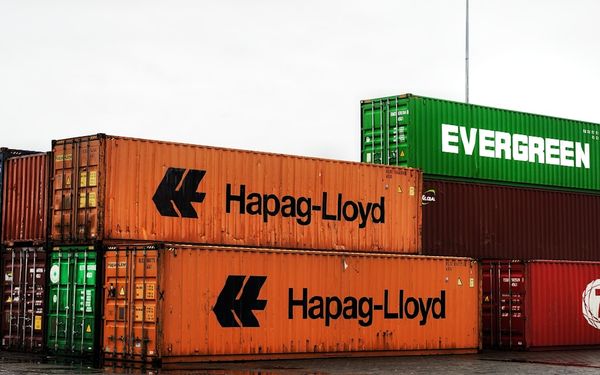
Container Selection: Industrial packaging machinery typically requires 40ft High Cube containers. For oversized units, consider breakbulk or flat-rack containers.
Step 4: Customs Clearance and Documentation
Prepare these documents before the vessel arrives:
- Commercial Invoice (with exact HS code and FOB value)
- Packing List (detailed weight and dimension breakdown)
- Bill of Lading (original or telex release)
- Certificate of Origin (preferably with Preferential Certificate of Origin under Asia Pacific Trade Agreement if available)
- Technical Literature (brochures/manuals for customs verification)
- Import Licence (if applicable for restricted machinery)
Customs Duty Structure (2026 rates):
| Component | Rate | Calculation Base |
|---|---|---|
| Basic Customs Duty (BCD) | 7.5%–15% | Assessable Value (CIF) |
| Social Welfare Surcharge (SWS) | 10% of BCD | BCD amount |
| Integrated GST (IGST) | 18% | CIF + BCD + SWS |
| Compensation Cess | Nil | — |
Step 5: Post-Clearance Compliance
After customs release:
- Installation and Commissioning: Most Chinese suppliers offer free installation; budget ₹15,000–₹25,000 for technician accommodation and local transport
- BIS Registration: File for self-certification or third-party testing within 30 days if your machinery falls under mandatory QCOs
- GST Input Credit Claim: File GSTR-3B to claim IGST credit against your output tax liability
Worked Example: Import Cost Breakdown
Here's a realistic cost calculation for importing a semi-automatic carton sealing machine from Shanghai to Mumbai:
| Cost Component | Amount (INR) |
|---|---|
| FOB Value (Machine cost) | ₹8,50,000 |
| Ocean Freight (40ft FCL) | ₹3,20,000 |
| Insurance (1.1% of CIF) | ₹1,28,000 |
| CIF Value | ₹12,98,000 |
| Basic Customs Duty (10%) | ₹1,29,800 |
| Social Welfare Surcharge (10%) | ₹12,980 |
| Assessable Value for IGST | ₹14,40,780 |
| IGST (18%) | ₹2,59,340 |
| Total Landed Cost | ₹17,00,120 |
| Clearing Agent Charges | ₹25,000 |
| Transport to Factory | ₹18,000 |
| Final Investment | ₹17,43,120 |
Effective Import Duty Burden: Approximately 34.2% over FOB value (including freight and insurance).
Common Pitfalls to Avoid
Watch Out: Many first-time importers underestimate the "hidden" costs. Beyond the CIF value, budget an additional 8–10% for clearance charges, port detention fees, and inland transport.
- Incorrect HS Code Classification: Misclassification can trigger customs penalties and retrospective duty demands. Always obtain a binding tariff ruling from the Customs Authority for high-value machinery.
- Ignoring China-Specific Requirements: Chinese exporters need an Export Licence for certain machinery categories. Verify this before making advance payments.
- Inadequate Transit Insurance: Marine cargo insurance covers only total loss. Consider Institute Cargo Clauses (A) for comprehensive coverage including partial damage and theft.
- Documentation Gaps: Missing technical specifications or incorrect country of origin declarations can cause 3–7 day customs holds, incurring demurrage charges of ₹8,000–₹15,000 per day.
These same pitfalls apply to importing lithium ion batteries from China India, where incorrect HS classification under Chapter 85 or missing BIS registration numbers can trigger identical delays and penalty structures.
Frequently Asked Questions (FAQ)
Q1: Do I need a separate IEC for importing lithium ion batteries from China India versus industrial machinery?
No. A single Import Export Code (IEC) covers all product categories. Whether you are importing packaging machinery or lithium ion batteries from China India, the same IEC registered with DGFT remains valid. You do not need category-specific IEC registrations.
Q2: How does BIS certification differ between packaging machinery and lithium ion batteries?
Both product categories fall under the Compulsory Registration Scheme (CRS) if covered by respective Quality Control Orders (QCOs). Industrial packaging machinery may require BIS certification under specific HS chapters, while lithium ion batteries require BIS registration under IS 16046 standards. The application process through the BIS portal remains identical for both.
Q3: Can I claim the same GST input credit for machinery and battery imports?
Yes. Integrated GST (IGST) paid on both industrial packaging machinery and lithium ion batteries is eligible for input tax credit under GSTR-3B filings, provided you have active GSTIN registration and valid commercial invoices from Chinese suppliers.
Q4: What is the typical clearance time difference between machinery and battery imports?
Standard customs clearance ranges from 3–10 days for both categories, assuming documentation is complete. However, lithium ion batteries may require additional 1–2 days for hazardous cargo inspection (UN 38.3 compliance verification), whereas machinery may require technical officer examination for BIS conformity.
Q5: Are shipping costs comparable for importing lithium ion batteries from China India versus packaging equipment?
Ocean freight costs are primarily volume and weight dependent. Lithium ion batteries typically ship via 20ft containers due to weight restrictions and hazardous cargo regulations, while machinery often requires 40ft High Cube containers. Freight rates vary accordingly, but the routing options (Direct Shanghai-JNPT, via Singapore, via Colombo) and documentation charges remain consistent for both product types.
Final Recommendations
Importing industrial packaging machinery from China is a viable strategy for Indian manufacturers seeking cost-effective automation. However, success depends on meticulous planning and compliance discipline.
Work with a customs broker experienced in machinery imports from China. Their expertise in documentation, duty optimisation, and customs liaison can reduce clearance time from 7–10 days to 3–4 days.
For complex machinery requiring installation support, negotiate a comprehensive service contract that includes training your operators and a dedicated spare parts inventory for the first year of operation.
Need help with your machinery import? Contact Befach International for end-to-end import consulting, from supplier verification to customs clearance and factory installation support.
Ready to import? Befach sources directly from verified manufacturers in China and Southeast Asia. Get a quote
Related Articles
Facing Any Issue
While Buying
Discover how ESSENTIO revolutionizes home cleaning with AI-driven precision. Watch as it navigates, cleans.