
Import Duty on Solar Panels from China: Latest Rates & Calculations

DGFT Removes Import Curbs on Select Steel Products: What Importers Need to Know
DGFT Removes Import Curbs on Select Steel Products: What Importers Need to Know
Published: 15 January 2026 | Category: Regulatory Updates | Reading Time: 6 minutes
The Directorate General of Foreign Trade (DGFT) has issued a significant notification. It formally removes Minimum Import Price (MIP) restrictions on select stainless steel flat products. This move directly impacts your landed costs and sourcing strategy for 2026.
While many traders currently research import duty on solar panels from China to India, understanding similar regulatory shifts in the steel sector is equally critical. This regulatory shift opens new procurement opportunities from China, South Korea, and Japan. It eliminates price floor protection that domestic steelmakers have relied on since 2017.
> Key Update: The MIP removal affects HS codes 7219 and 7220 (stainless steel flat products). Importers can now source below the previous $641–682/tonne floor, potentially reducing landed costs by 8–12%.
What Changed (And When)
The DGFT notification, issued in early January 2026, formally withdraws the Minimum Import Price mechanism. This mechanism previously required all stainless steel flat product imports to meet specific price thresholds before customs clearance.
It was originally implemented to protect domestic producers from dumped imports. However, it has been progressively relaxed as India's stainless steel consumption outpaces local production capacity.
Timeline: The change is effective immediately. Shipments arriving at Indian ports from the notification date onward will no longer require MIP compliance verification during customs assessment.
Products Affected:
- Cold-rolled stainless steel coils and sheets (HS 7219)
- Hot-rolled stainless steel flat products (HS 7220)
- Width ≥ 600mm, all grades (200, 300, and 400 series)
Import Duty on Solar Panels from China to India: A Comparative Overview
While this notification specifically addresses stainless steel products under HS codes 7219 and 7220, importers often inquire how import duty on solar panels from China to India compares to current steel regulations. Both sectors face stringent customs oversight when importing from Chinese suppliers. However, solar panel imports operate under distinct HS classifications and duty structures.
Unlike the steel sector where MIP has been removed, solar panel duties require separate verification under specific renewable energy classifications. The steel changes discussed here do not affect solar panel import duty calculations. Both product categories remain subject to Basic Customs Duty, Social Welfare Surcharge, and IGST, though at varying rates determined by their respective HS codes.
Why This Matters for Your Business
India imports approximately $2.8 billion worth of stainless steel annually. With China commanding 45% of that import market, this regulatory change creates immediate competitive pressure—and opportunity.
Immediate Cost Impact
| Cost Component | Previous (With MIP) | New (Without MIP) | Your Savings |
|---|---|---|---|
| Base Price (CIF) | $641–682/tonne minimum | Market-driven pricing | 8–12% reduction |
| BCD (7.5%) | ~$51/tonne | ~$45/tonne | ~$6/tonne |
| SWS (10%) | ~$5/tonne | ~$4.50/tonne | ~$0.50/tonne |
| IGST (18%) | ~$125/tonne | ~$108/tonne | ~$17/tonne |
| Landed Cost | ~$900–950/tonne | ~$820–850/tonne | ₹6,600–8,800/tonne |
Calculations assume USD-INR exchange rate of 84.5. Actual savings depend on your negotiated CIF rates.
Supply Chain Implications
Chinese and Korean suppliers—previously constrained by the MIP floor—can now price aggressively to capture market share.
For you, this means:
- Renegotiation leverage: Existing contracts signed at MIP-based pricing can be renegotiated immediately
- Extended payment terms: Increased supplier competition typically improves credit periods from 30 to 60–90 days
- Volume discounts: Lower per-tonne costs enable larger stock positions without increasing capital deployment
Regulatory Requirements Still in Force
While the MIP restriction is gone, other compliance obligations remain unchanged. Do not assume reduced scrutiny.
Mandatory Clearances
| Requirement | Status | Your Action |
|---|---|---|
| BIS Certification (IS 6911) | Still required | Verify supplier's BIS license validity before placing orders |
| BCD + SWS + IGST Payment | Unchanged | Calculate at 7.5% + 10% + 18% respectively |
| Anti-Dumping Duty | Check specific grades | Some 200-series grades from China carry additional ADD |
| Customs Valuation | Enhanced scrutiny | Keep commercial invoices and remittance proofs aligned |
> Watch Out: Customs authorities may increase valuation checks to prevent under-invoicing now that the MIP floor is removed. Ensure your CIF pricing reflects genuine market rates. Document your supplier price discovery process.
Revised Duty Structure for 2026
For stainless steel flat products under HS 7219 and 7220, the current duty structure is:
| Duty Component | Rate | Applicable On |
|---|---|---|
| Basic Customs Duty (BCD) | 7.5% | Assessable Value (CIF) |
| Social Welfare Surcharge (SWS) | 10% of BCD | BCD amount |
| Integrated GST (IGST) | 18% | Assessable Value + BCD + SWS |
Effective Total Duty Burden: Approximately 26.5–27% of CIF value (depending on exact CIF and exchange rates).
Strategic Actions for Steel Importers
Immediate (This Week)
- Audit your inventory position. If you hold stock purchased at MIP pricing, accelerate sales before cheaper imports flood the market and compress your margins.
- Request revised quotations. Contact your Chinese, Korean, and Japanese suppliers for post-MIP pricing. Expect initial quotes 10–15% below December 2025 levels.
- Review BIS compliance. Ensure your suppliers' BIS licenses (IS 6911) are current. Non-compliant shipments will face detention regardless of MIP status.
Short-Term (Next 30 Days)
- Renegotiate contracts. Use the new pricing environment to renegotiate annual supply agreements signed in Q4 2025.
- Lock foreign exchange. With landed costs dropping and import volumes likely rising, consider forward contracts to manage USD-INR exposure.
- Update landed cost calculators. Remove MIP validation from your internal pricing models.
Medium-Term (Next Quarter)
- Diversify supplier base. With Chinese pricing now more competitive, evaluate whether sole-sourcing strategies still serve your risk profile.
- Monitor domestic price response. Indian producers (Jindal Stainless, SAIL) may lobby for alternative protection measures. Track DGFT and Ministry of Steel announcements.
What to Watch Next
The MIP removal signals a broader policy shift toward market-driven pricing in steel imports. However, three developments could reverse or modify this stance:
- Trade remedial investigations: Domestic producers may file fresh anti-dumping petitions against specific countries or grades.
- BIS enforcement tightening: Expect stricter scrutiny of BIS compliance as the primary remaining barrier to low-cost imports.
- Quality standard revisions: The Bureau of Indian Standards may propose updated IS 6911 requirements that effectively raise import barriers.
Frequently Asked Questions
How does import duty on solar panels from China to India compare to stainless steel duties?
While both products import from China into India, they fall under different HS codes and regulatory frameworks. Stainless steel flat products (HS 7219 and 7220) recently had MIP restrictions removed, whereas solar panel imports operate under distinct duty structures. The steel sector currently faces approximately 26.5–27% total duty burden (BCD + SWS + IGST), while solar panel import duty calculations require separate verification under their specific HS classifications.
What are the current import duty rates for solar panels from China to India?
This article specifically addresses stainless steel products under HS codes 7219 and 7220. For solar panel import duties from China to India, consult the latest DGFT notifications and CBIC tariff schedules applicable to photovoltaic cells and modules. The duty calculation methodology (BCD + SWS + IGST) remains consistent across both sectors, though specific rates may vary by product classification.
Should importers of solar panels from China be aware of similar MIP restrictions?
As of January 2026, the MIP removal specifically affects stainless steel flat products. Importers tracking import duty on solar panels from China to India should monitor separate DGFT notifications for their specific product categories. The enhanced customs valuation scrutiny now applied to steel imports may indicate broader trends in anti-dumping enforcement across sectors.
Does the removal of steel MIP affect solar panel import documentation?
No. The documentation requirements for solar panel imports remain distinct from stainless steel procedures. While steel importers must maintain BIS certification (IS 6911) and customs compliance, solar panel imports require adherence to different technical standards and certification protocols under the Ministry of New and Renewable Energy (MNRE) and BIS guidelines.
Bottom Line
The DGFT's removal of MIP restrictions on stainless steel flat products represents a material cost reduction opportunity for Indian importers. With landed costs potentially falling ₹6,600–8,800 per tonne, the competitive landscape shifts immediately in your favor—provided you act quickly to renegotiate contracts and verify compliance requirements remain met.
> Pro Tip: Don't wait for your suppliers to volunteer lower prices. Issue fresh RFQs immediately citing the MIP removal. The first movers in Q1 2026 will capture margin advantages that erode as market equilibrium re-establishes.
Need assistance navigating the new steel import regulations? Contact our customs clearance team for updated landed cost calculations and compliance verification.
Authority Links:
Disclaimer: This analysis reflects regulatory positions as of January 2026. Verify current duty rates and notification details through official DGFT and CBIC channels before making procurement decisions.
Thinking about importing? We help Indian businesses navigate these complexities — from sourcing to doorstep delivery. Tell us what you need
Related Articles

Import License Requirements for Food Products in India: FSSAI Guide
Mar 25, 2026

BIS Certification for Electronics Imports from China: 2025 Compliance Guide
Mar 23, 2026
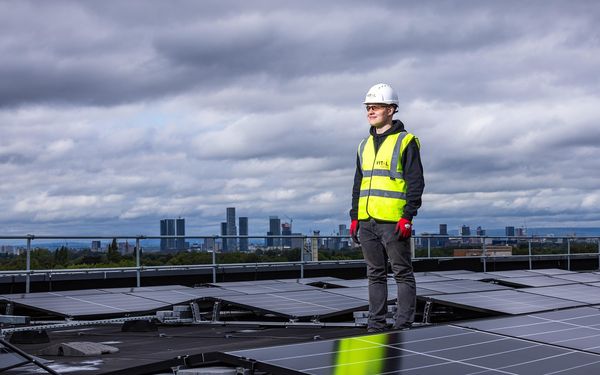
Import Duty on Solar Panels from China: 2025 Rates & Anti-Dumping
Mar 23, 2026
Facing Any Issue
While Buying
Discover how ESSENTIO revolutionizes home cleaning with AI-driven precision. Watch as it navigates, cleans.