
Cosmetics Import License India: BIS & CDSCO Requirements 2026
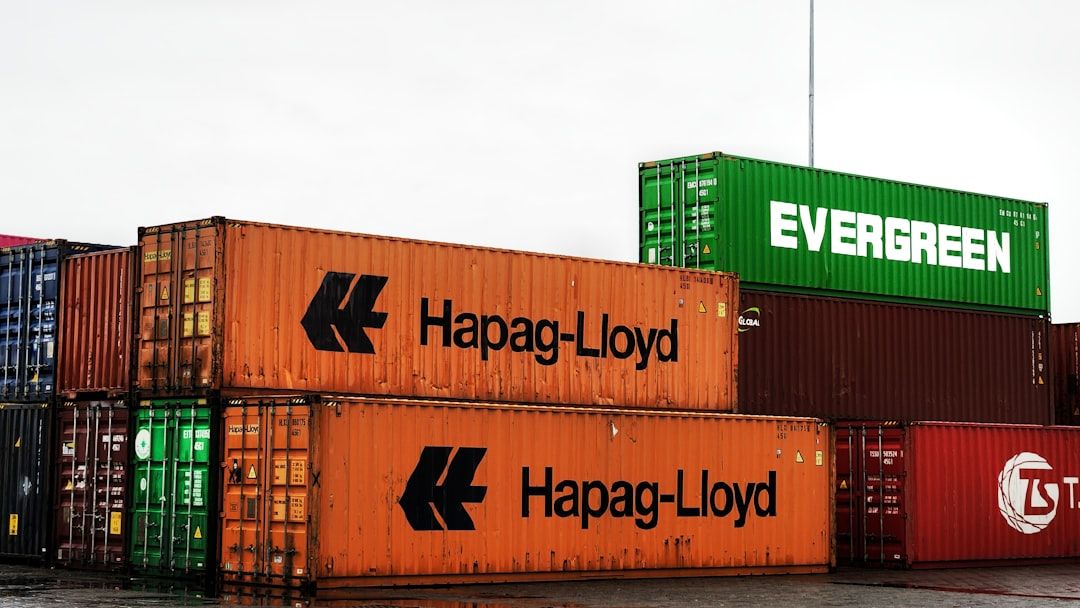
How to Import EV Batteries from China to India in 2026: A Step-by-Step Process Guide
How to Import EV Batteries from China to India in 2026: A Step-by-Step Process Guide
India's electric vehicle revolution is accelerating, and with domestic battery production still ramping up, importing EV batteries from China remains a critical supply route for Indian manufacturers and assemblers. China accounts for approximately 75% of India's lithium-ion battery imports, making it the primary sourcing destination.
However, bringing EV batteries into India involves navigating complex regulatory requirements—from BIS certification to DGFT licensing—that have tightened significantly in 2026. This guide walks you through the complete import process, with real cost calculations and compliance checkpoints.
Why Import EV Batteries from China?
China dominates global lithium-ion battery production, controlling roughly 70% of cell manufacturing capacity worldwide. For Indian EV manufacturers, Chinese suppliers offer:
- Cost advantages: 30-40% lower prices compared to Korean or Japanese alternatives
- Established supply chains: Mature ecosystem of cell manufacturers, BMS providers, and pack assemblers
- Scale: Ability to fulfil large-volume orders with shorter lead times
That said, import duties and compliance costs add significantly to your landed price. Understanding the complete cost structure upfront prevents margin erosion later.
Step-by-Step Import Process
Step 1: Verify Your Product Classification and HS Code
Before contacting suppliers, confirm the exact HS code for your battery type. Misclassification leads to clearance delays and penalty risks.
| Product Description | HS Code | Basic Customs Duty (BCD) | IGST | Social Welfare Surcharge (SWS) |
|---|---|---|---|---|
| Lithium-ion cells | 8507 60 00 | 25% | 18% | 10% on BCD |
| Lithium-ion battery packs for EVs | 8507 60 00 | 25% | 18% | 10% on BCD |
| Lead-acid batteries | 8507 20 00 | 15% | 18% | 10% on BCD |
Key Update: The Finance Ministry notification effective from April 2026 maintains the 25% BCD on lithium-ion batteries under HS Code 8507. This rate applies to both cells and assembled packs.
Step 2: Obtain BIS Certification (IS 16046)
BIS certification is mandatory for all lithium-ion batteries imported into India. Without it, customs will reject your shipment.
Requirements:
- Factory audit by BIS-approved auditor at the Chinese manufacturing facility
- Product testing at BIS-recognized laboratory
- Registration under the BIS Compulsory Registration Scheme (CRS)
Timeline: 4-6 weeks for completion
Cost: ₹2.5-4 lakhs depending on factory size and product variants
> Pro Tip: Start the BIS process before placing your purchase order. Some Indian buyers lose weeks waiting for certification while their shipment sits at port. Request your Chinese supplier to cooperate with the BIS audit—they're usually familiar with the process given India's market size.
Step 3: Secure DGFT Import Authorisation
As per DGFT notification 12/2024, import of lithium-ion batteries for EV applications now requires a licence from the Ministry of Road Transport and Highways (MoRTH).
Documents required:
- Company incorporation certificate
- GST registration
- Undertaking for end-use verification
- Technical specifications of batteries
Application portal: DGFT website
Processing time: 15-20 working days
Step 4: Arrange UN 38.3 Testing Certificate
Lithium batteries are classified as dangerous goods for transport. Every shipment must carry a UN 38.3 testing certificate proving the cells have passed:
- Altitude simulation
- Thermal testing
- Vibration
- Shock
- External short circuit
- Impact/crush
- Overcharge
- Forced discharge
Your Chinese supplier should provide this. Verify the certificate covers the exact cell model and batch you're purchasing.
Step 5: Calculate Your Landed Cost
Let's work through a real example. You're importing a 50 kWh EV battery pack from China:
| Cost Component | Calculation | Amount (INR) |
|---|---|---|
| FOB Value (China) | — | ₹6,00,000 |
| Freight & Insurance | 5% of FOB | ₹30,000 |
| CIF Value | ₹6,30,000 | |
| Basic Customs Duty (25%) | 25% × ₹6,30,000 | ₹1,57,500 |
| Social Welfare Surcharge (10% on BCD) | 10% × ₹1,57,500 | ₹15,750 |
| Assessable Value | CIF + BCD + SWS | ₹8,03,250 |
| IGST (18%) | 18% × ₹8,03,250 | ₹1,44,585 |
| Total Landed Cost | ₹9,47,835 |
Effective duty burden: 50.4% above CIF price
At approximately ₹18,957 per kWh, your landed cost sits at the higher end of the market range. Factor this into your pricing strategy before committing to orders.
Step 6: Prepare Shipping Documentation
Your customs broker will need:
- Commercial Invoice – Must declare watt-hour (Wh) rating for each battery
- Packing List
- Bill of Lading / Airway Bill
- Certificate of Origin – Required for claiming any preferential duty benefits
- MSDS (Material Safety Data Sheet)
- UN 38.3 Test Summary
- BIS Registration Certificate
- DGFT Import Licence
- GATT Declaration
> Watch Out: The watt-hour rating must be prominently displayed on battery labels and shipping documents. Customs officers are specifically checking for this in 2026 due to safety concerns around high-capacity lithium batteries. Missing or incorrect declarations trigger mandatory inspection—adding 3-5 days to clearance time.
Step 7: Customs Clearance and ICEGATE Filing
File your Bill of Entry through ICEGATE before the shipment arrives. For lithium batteries:
- Select the correct HS code (8507 60 00 for lithium-ion batteries including EV packs)
- Upload BIS certificate and DGFT licence in the attachments
- Declare UN classification (Class 9 Dangerous Goods)
- Pay duty through ICEGATE payment gateway
Red Channel clearance risk: Battery shipments face higher scrutiny. Ensure all certificates are current and match the product specifications exactly.
Step 8: Post-Import Compliance
After clearance:
- Maintain records of battery serial numbers for traceability
- File monthly returns with DGFT on battery utilisation
- Update BIS registration if product specifications change
Common Mistakes to Avoid
- Assuming supplier handles all compliance – BIS certification requires your active participation. The factory audit cannot proceed without your engagement.
- Underestimating working capital needs – With 50%+ duty burden, your landed cost is significantly higher than FOB price. Plan cash flow accordingly.
- Ignoring watt-hour declaration – This specific field is now mandatory on all lithium battery import documents. Omitting it causes shipment holds.
- Skipping import licence verification – DGFT notification 12/2024 is actively enforced. Attempting import without MoRTH authorisation results in confiscation.
Final Checklist Before You Import
- [ ] BIS registration obtained (IS 16046)
- [ ] DGFT import licence from MoRTH secured
- [ ] UN 38.3 certificate verified from supplier
- [ ] Watt-hour ratings calculated and documented
- [ ] Landed cost calculated with 25% BCD + 18% IGST + 10% SWS
- [ ] Customs broker briefed on dangerous goods handling
- [ ] Working capital arranged for duty payment
Need Help with Your EV Battery Import?
At Befach International, we handle end-to-end EV battery imports from China—BIS certification coordination, DGFT licence applications, customs clearance, and compliance documentation. Our team has processed 200+ battery shipments in the past year.
Contact us for a free consultation on your specific battery import requirements.
Sources: [DGFT Notification 12/2024](https://dgft.gov.in/), [BIS Compulsory Registration Scheme](https://www.bis.gov.in/), [CBIC Customs Tariff](https://www.cbic.gov.in/)
Thinking about importing? We help Indian businesses source and import products from China and Southeast Asia — from finding the right supplier to doorstep delivery. Tell us what you need
Related Articles
Facing Any Issue
While Buying
Discover how ESSENTIO revolutionizes home cleaning with AI-driven precision. Watch as it navigates, cleans.