
China to India Shipping Routes: Transit Times & Port Options 2025
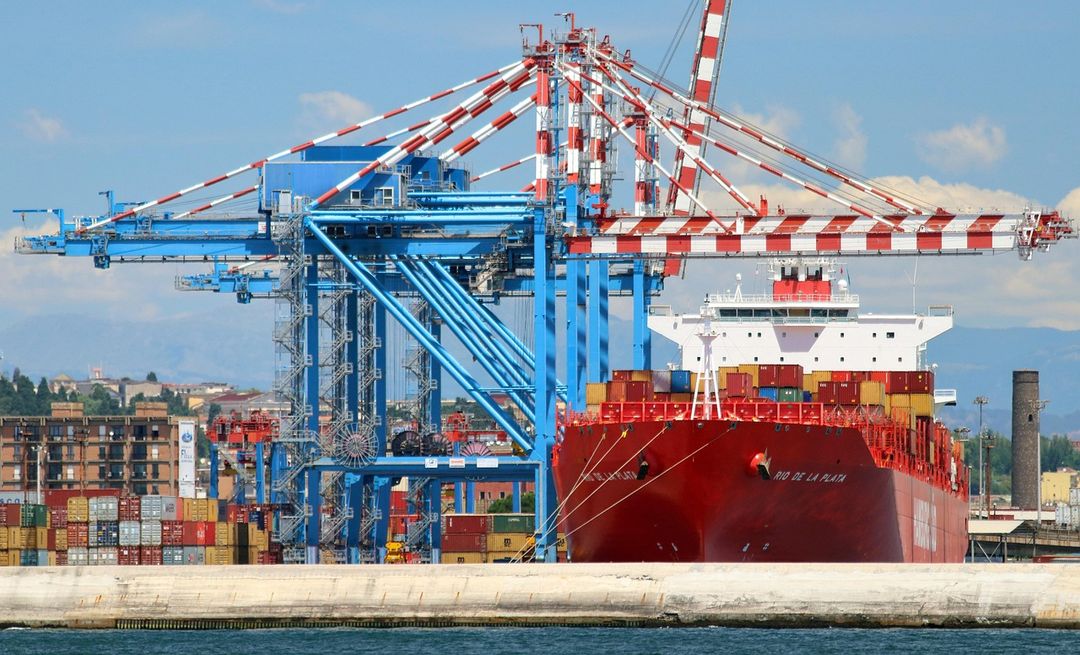
China to India Shipping Routes Transit Time: Complete Market Guide for 2026
China to India Shipping Routes Transit Time: Complete Market Guide for 2026
Understanding China to India shipping routes transit time is critical for importers managing inventory cycles and cash flow. With bilateral trade exceeding $118 billion annually, efficient logistics planning determines competitive advantage in the Indian market. Whether you're shipping electronics from Shenzhen or textiles from Shanghai, transit times vary significantly based on port selection, shipping line, and seasonal demand.
Most sea freight between these Asian giants moves through three primary maritime corridors. The direct route via the Strait of Malacca remains the most popular, while alternative paths through Singapore or Colombo offer flexibility during peak congestion. Typically, China to India shipping routes transit time ranges from 12 to 25 days for standard FCL (Full Container Load) shipments, though LCL (Less than Container Load) consignments may add 5-7 days for consolidation.
Understanding China to India Shipping Routes Transit Time by Corridor
The maritime distance between major Chinese and Indian ports spans approximately 3,500 to 4,500 nautical miles, depending on your origin and destination combination. Direct services from Shanghai to Nhava Sheva (JNPT) generally complete within 14-16 days, while Guangzhou to Chennai routes average 12-14 days under normal conditions.
Northern Chinese ports like Qingdao and Tianjin face longer China to India shipping routes transit time, typically requiring 18-22 days to reach West Coast Indian ports. This extended duration results from the additional distance via the Yellow Sea and South China Sea before entering the Indian Ocean. For East Coast India destinations like Visakhapatnam or Kolkata, add an extra 3-5 days to standard West Coast timings.
Air freight offers an alternative for time-sensitive cargo, reducing transit to 3-5 days but at significantly higher costs—often 8-10 times sea freight rates. According to Maersk's official route schedules, their direct Shanghai-Mundra service maintains a consistent 15-day transit window, while MSC's shipping guidelines indicate variable schedules based on seasonal routing adjustments.
Major Ports and Their Average Transit Schedules
West Coast India Routes (Fastest Options):
- Shanghai to JNPT (Nhava Sheva): 14-16 days
- Shenzhen to Mundra: 13-15 days
- Ningbo to Mumbai: 15-17 days
- Qingdao to Hazira: 19-21 days
East Coast India Routes:
- Shanghai to Chennai: 12-14 days (direct)
- Guangzhou to Visakhapatnam: 14-16 days
- Hong Kong to Kolkata: 18-20 days (via transshipment)
Transshipment hubs significantly impact China to India shipping routes transit time. Shipments routed through Singapore, Port Klang, or Colombo add 3-7 days compared to direct strings. During the pre-Diwali rush (August-October), these transit times can extend by an additional 5-10 days due to port congestion and equipment shortages.
Factors Affecting Transit Time Reliability
Multiple variables influence whether your cargo hits the optimistic or pessimistic end of transit estimates. Weather patterns in the South China Sea and Bay of Bengal cause seasonal delays, particularly during the June-September monsoon period. Port efficiency also plays a crucial role—JNPT and Mundra typically process containers faster than older facilities like Kolkata or Chennai.
Customs clearance procedures at both ends add variability. While Chinese export customs generally process within 1-2 days, Indian import clearance can range from 3-7 days depending on documentation accuracy and risk assessment flags. The Directorate General of Shipping, India mandates specific compliance checks that may extend port dwell time for certain commodity categories.
Carrier selection impacts reliability as much as speed. Premium lines like Maersk, MSC, and CMA CGM offer more consistent China to India shipping routes transit time compared to budget operators, though at 15-20% higher freight rates. Blank sailings—canceled scheduled departures—occur frequently during Chinese New Year and Golden Week, potentially adding 7-14 days to your supply chain if not anticipated.
Cost vs. Speed: Strategic Planning Considerations
Balancing China to India shipping routes transit time against logistics costs requires analyzing your product's inventory carrying cost. Electronics and fashion items with high depreciation rates often justify expedited shipping or air freight, while bulk commodities favor slower, economical options.
Express ocean services now offer a middle ground, guaranteeing 10-12 day transits at premiums of 30-40% over standard rates. These services utilize priority berthing and dedicated rail connections from Indian ports to inland container depots (ICDs) in Delhi, Bangalore, and Hyderabad.
Frequently Asked Questions
What is the fastest China to India shipping route transit time available?
The quickest regular sea freight option is the direct Shenzhen-to-Chennai corridor, averaging 12-14 days. Express services can reduce this to 10-11 days but cost significantly more. Air freight remains the only option for sub-one-week delivery, typically 3-5 days door-to-door.
How do Chinese holidays affect shipping schedules?
Chinese New Year (January/February) and Golden Week (October) create massive capacity crunches. Book 3-4 weeks in advance during these periods, as China to India shipping routes transit time typically extends by 1-2 weeks due to port congestion and equipment shortages.
Why do some shipments take 30+ days despite promises of 15 days?
Delays usually stem from transshipment waits at intermediate ports, customs examinations, or documentation discrepancies. Ensuring accurate HS codes, proper IEC (Import Export Code) documentation, and pre-arrival filing of BOE (Bill of Entry) minimizes these risks.
Are there alternatives to traditional sea routes?
The China-Pakistan Economic Corridor (CPEC) and subsequent road/rail through Pakistan remain theoretically shorter but face geopolitical and security constraints. Currently, maritime routes via the Strait of Malacca remain the viable commercial option for bulk trade.
How can I track my shipment's progress?
Most major carriers provide real-time container tracking through their websites. Additionally, port community systems like ICEGATE (Indian Customs Electronic Gateway) allow importers to monitor clearance status once vessels arrive at Indian ports.
Conclusion
Optimizing China to India shipping routes transit time requires understanding the trade-offs between cost, speed, and reliability. While standard sea freight offers 12-25 day windows depending on port pairs, strategic planning around seasonal variations and carrier selection ensures predictable supply chains. For importers at befach.com, aligning shipping schedules with sales forecasts while maintaining buffer stock for the 15-20% of shipments that face delays remains the key to successful cross-border operations.
Want to capitalize on this trend? We help Indian businesses source and import from China and Southeast Asia. Tell us what you need
Related Articles
Facing Any Issue
While Buying
Discover how ESSENTIO revolutionizes home cleaning with AI-driven precision. Watch as it navigates, cleans.