
China Factory Audit Checklist for Indian Importers: 2025 Edition
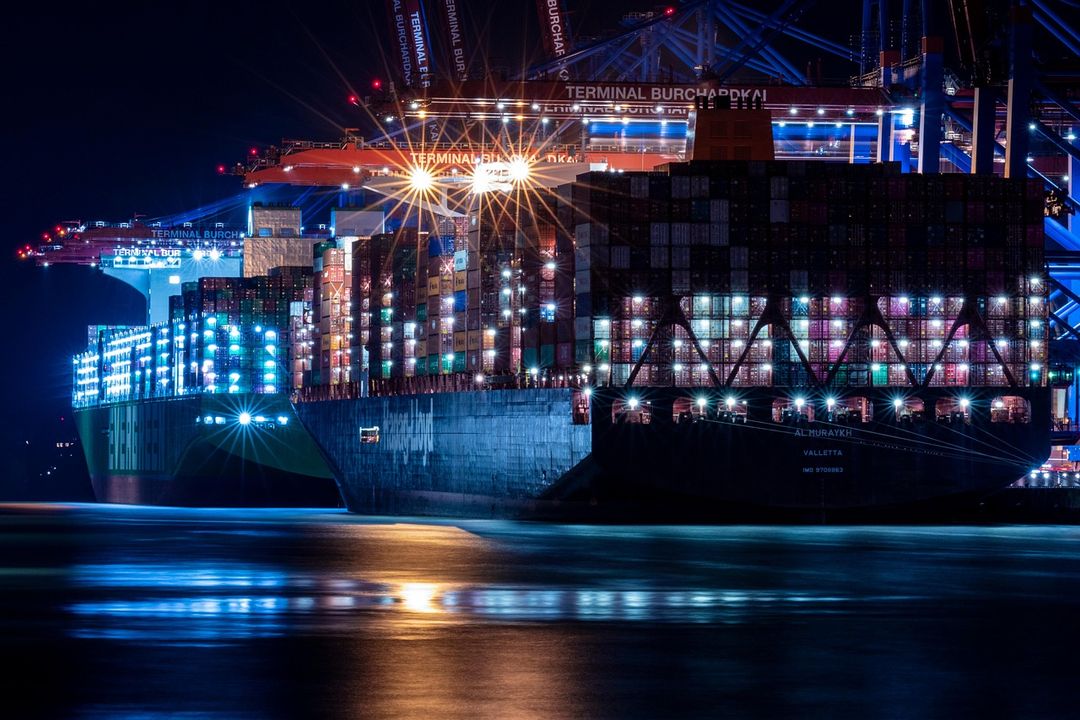
How to Start Importing Electronics from China to India in 2026
How to Start Importing Electronics from China to India in 2026
A Complete Step-by-Step Guide for First-Time Importers
If you've been considering importing electronics from China for your business, you're looking at one of the most profitable trade routes for Indian entrepreneurs. Electronics imports from China to India crossed ₹6.5 lakh crore in 2024, driven by demand for consumer gadgets, components, and industrial equipment.
But here's the catch: the electronics import process is heavily regulated. One wrong HS code classification or missing BIS certification can cost you lakhs in penalties or shipment seizures at Indian ports.
This guide walks you through the entire electronics import journey—from supplier selection to customs clearance—with real duty rates, costs in INR, and compliance requirements you need to know.
Why Import Electronics from China?
China remains India's largest electronics supplier, accounting for approximately 40% of India's total electronics imports. The advantages are clear:
- Cost advantage: Chinese electronics are typically 30-50% cheaper than comparable products from other countries
- Manufacturing scale: Access to the world's largest electronics manufacturing ecosystem
- Component availability: Source everything from semiconductors to finished products in one place
- MOQ flexibility: Many suppliers accept smaller minimum order quantities (MOQs) for Indian buyers
However, the Indian government has tightened regulations significantly. The Import Policy for Electronics now requires stricter compliance, especially for products falling under the Compulsory Registration Scheme (CRS).
Step 1: Identify Your Product and HS Code
Every electronic product has a specific Harmonized System (HS) Code that determines your import duty, IGST, and regulatory requirements. Getting this wrong is the #1 reason for customs delays.
Common Electronics HS Codes:
| Product Category | HS Code | Basic Customs Duty (BCD) | IGST | Social Welfare Surcharge (SWS) |
|---|---|---|---|---|
| Mobile Phones | 8517.12 | 20% | 18% | 10% on BCD |
| Laptops/Tablets | 8471.30 | 0% (Free) | 18% | 0% |
| LED TVs | 8528.72 | 15% | 18% | 10% on BCD |
| Power Banks | 8507.60 | 15% | 18% | 10% on BCD |
| Bluetooth Speakers | 8518.22 | 15% | 18% | 10% on BCD |
| Computer Components | 8471.80 | 0% (Free) | 18% | 0% |
> Pro Tip: Always verify your HS code on the CBIC website before placing orders. A misclassification can result in penalties up to 5 times the duty shortfall under Section 114 of the Customs Act.
Step 2: Check BIS Certification Requirements
This is where most first-time importers stumble. India's Bureau of Indian Standards (BIS) operates the Compulsory Registration Scheme (CRS) for electronic products.
Electronics Requiring BIS Registration:
The following products CANNOT be imported without valid BIS CRS registration:
- Mobile phones and accessories
- Laptop adapters and power supplies
- LED lighting products
- CCTV cameras
- Power banks
- Wireless equipment (requires WPC approval too)
BIS Registration Process:
- Submit application through BIS portal with product test reports
- Testing at BIS-recognized lab (cost: ₹25,000–₹75,000 per product)
- Factory audit for foreign manufacturers (via BIS-appointed agencies)
- Registration issuance (timeline: 4–6 months for new applicants)
> Watch Out: Importing BIS-regulated products without registration is a customs offense. Your shipment will be seized, and you may face penalties under the BIS Act, 2016. Always verify registration status on the BIS website before shipping.
Step 3: Find Reliable Suppliers in China
Verified Sourcing Platforms:
| Platform | Best For | MOQ Range | Verification Level |
|---|---|---|---|
| Alibaba.com | General electronics | 100–1,000 units | Gold Supplier, Trade Assurance |
| Global Sources | B2B bulk orders | 500+ units | Verified Manufacturer |
| Made-in-China.com | Industrial electronics | 200+ units | Audited Supplier |
| Canton Fair | Direct supplier meetings | Variable | On-site verification |
Red Flags to Avoid:
- Suppliers refusing factory video calls
- Prices 30%+ below market average
- No business license or export license verification
- Demanding 100% payment upfront via Western Union
- Inability to provide product certifications
> Pro Tip: Always request a Proforma Invoice with detailed product specifications, HS codes, and Incoterms before making any payment. This document becomes your contract reference.
Step 4: Calculate Your Total Landed Cost
Understanding your true cost is critical for pricing your products competitively. Here's a realistic cost breakdown for importing electronics worth ₹10,00,000 FOB from China:
Cost Breakdown Example (LED TVs worth ₹10,00,000):
| Cost Component | Calculation | Amount (₹) |
|---|---|---|
| FOB Value | Product cost | 10,00,000 |
| Ocean Freight (Shenzhen to Nhava Sheva) | 1 CBM container share | 45,000 |
| Insurance (110% of CIF × 0.3%) | 10,45,000 × 0.3% | 3,135 |
| CIF Value | 10,48,135 | |
| Basic Customs Duty (15%) | 10,48,135 × 15% | 1,57,220 |
| Social Welfare Surcharge (10% of BCD) | 1,57,220 × 10% | 15,722 |
| IGST (18% on assessable value) | (10,48,135 + 1,57,220 + 15,722) × 18% | 2,19,677 |
| Total Duties & Taxes | 3,92,619 | |
| CHA Fees | Customs clearance | 15,000 |
| Port Handling Charges | Nhava Sheva port | 12,000 |
| Transportation to Warehouse | Local delivery | 8,000 |
| TOTAL LANDED COST | 14,75,754 |
Effective Import Cost: 47.6% above FOB price
Step 5: Arrange Payment and Documentation
Payment Methods (Safest to Riskiest):
- Letter of Credit (LC) – Bank guarantees payment upon document presentation (safest for large orders)
- Telegraphic Transfer (TT) with 30% advance, 70% against B/L copy
- Alibaba Trade Assurance – Escrow protection for smaller orders
- PayPal – For samples only (high fees: 4.4% + currency conversion)
Required Documents Checklist:
| Document | Purpose | Source |
|---|---|---|
| Commercial Invoice | Value declaration | Supplier |
| Packing List | Product details & quantities | Supplier |
| Bill of Lading (B/L) | Ownership proof | Shipping line |
| Certificate of Origin | Preferential duty claims | Chamber of Commerce (China) |
| BIS Registration Certificate | Compliance proof | BIS India |
| Product Test Reports | Quality verification | Testing laboratory |
| IEC Certificate | Import authorization | DGFT India |
Step 6: Customs Clearance Process
Step-by-Step Clearance at Indian Ports:
- ICEGATE Registration – File Bill of Entry through ICEGATE
- Document Submission – Upload all documents to customs portal
- Assessment – Customs officer reviews classification and valuation
- Examination – Physical inspection (random or specific risk-based)
- Duty Payment – Pay BCD, IGST, and SWS through ICEGATE
- Out of Charge – Customs releases goods for delivery
> Key Update: As of 2026, customs has implemented Faceless Assessment for most electronics imports. This means faster processing but stricter document scrutiny. Ensure all BIS certificates are uploaded correctly in the ICEGATE system to avoid delays.
Step 7: Post-Import Compliance
Your responsibilities don't end at customs clearance:
Mandatory Requirements:
- GST Return Filing – Claim IGST paid as input tax credit
- Record Maintenance – Preserve import documents for 5 years (Customs Act requirement)
- BIS Labeling – Ensure products carry standard marks before sale
- E-Waste Compliance – Register with CPCB for E-Waste Management Rules, 2022
Common Mistakes First-Time Importers Make
| Mistake | Consequence | How to Avoid |
|---|---|---|
| Wrong HS Code classification | Penalties, seizure, re-assessment | Use CBIC's Tariff Search tool |
| Importing without BIS registration | Shipment seizure, legal action | Verify CRS requirements before ordering |
| Under-invoicing to save duty | Customs prosecution, 5x penalty | Declare actual transaction value |
| Not checking WPC requirements | Wireless products held at port | Get WPC ETA approval for WiFi/Bluetooth devices |
| Ignoring anti-dumping duties | Unexpected 25-50% additional duty | Check DGFT's anti-dumping notifications |
2026 Regulatory Updates to Watch
- BIS Expansion: More electronic products added to mandatory CRS list every quarter
- China-Specific Scrutiny: Enhanced examination of Chinese electronics due to quality concerns
- Digital Compliance: Full transition to paperless customs processing
- QR Code Mandate: Certain electronics now require traceability QR codes
Ready to Import Electronics from China?
Importing electronics can transform your business—but only if you navigate the compliance landscape correctly. The combination of BIS requirements, complex duty structures, and strict customs scrutiny makes professional guidance valuable.
Need help with your first electronics import? Our customs clearance experts handle everything from HS code classification to BIS compliance. Contact us for a free consultation.
Related Reading:
- Understanding Import Duties and Taxes in India
- BIS Certification Guide for Importers
- How to Calculate Landed Cost for Imports
Disclaimer: Duty rates and regulations change frequently. Verify current rates on the [CBIC website](https://www.cbic.gov.in/) or consult a licensed customs broker before importing.
Sources:
- Central Board of Indirect Taxes and Customs (CBIC)
- Bureau of Indian Standards (BIS)
- Directorate General of Foreign Trade (DGFT)
- ICEGATE - Indian Customs Electronic Gateway
Ready to import? Befach sources directly from verified manufacturers in China and Southeast Asia. Get a quote
Related Articles

Facing Any Issue
While Buying
Discover how ESSENTIO revolutionizes home cleaning with AI-driven precision. Watch as it navigates, cleans.